

Introduction
Charcoal is at the heart of every great BBQ in Malaysia, whether you are grilling satay at a night market, running a busy restaurant, or preparing a simple weekend family barbecue. However, not all charcoal is created equal. The type you choose influences heat consistency, smoke levels, cooking time, and even the overall taste of food. With so many options available in the market, such as sawdust briquettes, coconut shell charcoal, and hardwood charcoal, it is important to understand which works best for your needs. Making the right choice not only improves your grilling experience but also helps you save money in the long run.
This guide breaks down seven essential things you need to know about BBQ charcoal in Malaysia, helping you make the right choice every time.
1. Different Charcoal Types Serve Different Needs
In Malaysia, the most common types of BBQ charcoal are coconut shell briquettes, sawdust briquettes, and hardwood charcoal.
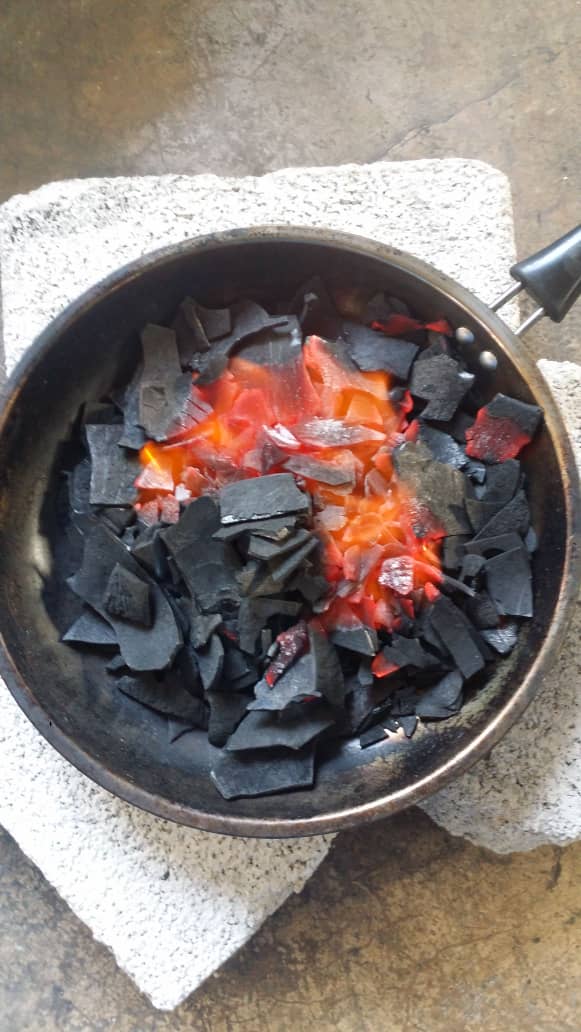
- Coconut shell charcoal are popular for BBQ stalls and restaurants because they produce steady heat, minimal ash, and very little smoke. They’re especially good for grilling meats, as the clean burn helps preserve flavor.
- Sawdust briquette charcoal is widely used in both homes and businesses. It’s easy to light, long-burning, and cost-effective.
- Hardwood lump charcoal burns hotter and is often used in industrial kitchens or larger BBQ setups that require strong, lasting heat.
2. Burn Time and Heat Consistency Matter
One of the main differences between cheap charcoal and high-quality charcoal is how long they last and how evenly they burn. High-density briquettes can burn for hours without constant replacement, while low-quality ones burn out quickly, costing you more in the long run.
For BBQ stalls that run daily, using longer-lasting briquettes means fewer refills and smoother cooking. For casual family BBQs, steady heat ensures food cooks evenly without sudden flare-ups or cold spots.
3. Smoke Levels Affect Food and Comfort
Too much smoke not only affects food flavor but also makes the cooking environment uncomfortable. Cheap charcoal with fillers or chemicals often produces excessive smoke and unpleasant odors.
If you’re grilling indoors, under a canopy, or in a restaurant setting, low-smoke charcoal like coconut shell charcoal is the best choice. Clean smoke improves customer comfort and preserves the natural taste of meat, seafood, or vegetables.
4. Ash Production Influences Clean-Up and Efficiency
Not many people think about ash, but it’s a big factor when choosing charcoal. Charcoal with low ash content are easier to clean and allow better airflow in the grill, which maintains consistent heat. Excessive ash, on the other hand, clogs airflow and reduces efficiency.
For frequent use, always check product descriptions for “low ash” or test a small batch before bulk buying.
5. Storage Is Critical in Malaysia’s Humid Climate
Charcoal is highly sensitive to moisture, and in Malaysia’s tropical weather, poor storage can quickly reduce its performance. Damp briquettes are difficult to light and often produce weaker flames.
To avoid this problem, choose products that come in moisture-resistant packaging and store them in a dry, well-ventilated place. Using sealed containers is also a good way to protect quality. Taking this simple step helps you save money and ensures every BBQ session runs smoothly.
6. Shape and Density Affect Cooking Performance
Uniformly shaped charcoal stack better in a grill, ensuring even airflow and heat distribution. Dense charcoal burn longer and hotter, making them more efficient. On the other hand, irregular or low-density charcoal may burn unevenly and force you to add fuel more often.
When buying, take note of charcoal size and density details on the packaging. Consistency in shape is a good sign of quality production.
7. Look Beyond the Price Tag
It can be tempting to choose the cheapest charcoal available, but low prices often come with hidden trade-offs. Cheaper options may burn unevenly, produce excessive smoke, or run out quickly, which means you end up using more in the long run. Instead of focusing only on price, pay attention to quality, consistency, and burn time.
For example, coconut shell charcoal is widely recognized as a high-quality option in Malaysia because it burns cleanly, produces minimal ash, and offers steady heat. A slightly higher upfront cost for better charcoal usually translates into greater efficiency, better-tasting food, and fewer frustrations during your BBQ sessions.
Conclusion
BBQ charcoal may seem like a simple purchase, but the wrong choice can affect flavor, efficiency, and cost. By knowing the differences in charcoal types, burn performance, and storage needs, you can make smarter decisions for better grilling.
If you’re looking for reliable, high-quality options in Malaysia, YT&T Resources Sdn. Bhd. offers coconut shell charcoal, sawdust briquettes, and other premium products suited for BBQs, restaurants, and industrial use.