

Introduction
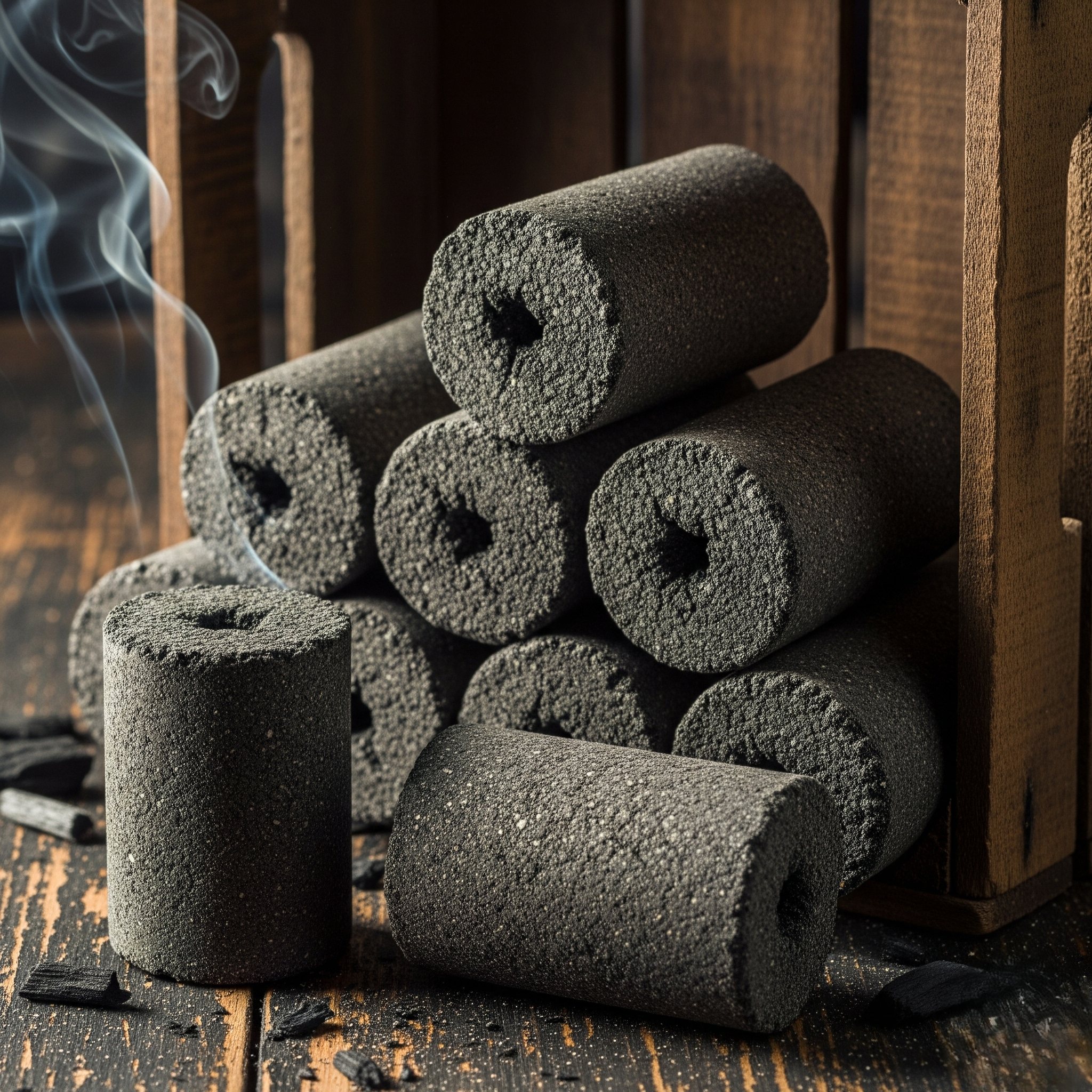
In Malaysia, charcoal is widely used for BBQs, restaurants, and industrial operations, from satay stalls in Penang to bakeries and factories nationwide. While traditional hardwood charcoal is still common, sawdust briquette charcoal is gaining popularity. With its eco-friendliness, consistent heat, and cost-effectiveness, it is often the smarter choice for both personal and business use.
This blog explores the key benefits of using sawdust briquette charcoal in Malaysia, showing why it’s not just an alternative but often the smarter choice for both personal and business use.
Benefits of Using Sawdust Briquette Charcoal
| Benefits | Why It Matters |
| Eco-friendly and sustainable | It is made from recycled sawdust, reducing deforestation and carbon footprint. |
| Long burning time | Denser composition ensures steady heat and fewer refuels, saving time and effort. |
| Cleaner burning | Produces less smoke, sparks, and ash, keeping cooking areas safe and hygienic. |
| Cost-effective in the long run | Though slightly pricier upfront, efficiency reduces total usage and overall cost. |
| Versatile applications | Works well for BBQ, restaurants, bakeries, and industrial operations. |
| Easy to store and transport | Uniform shape and moisture-resistant packaging make handling simple. |
Why Sawdust Briquette Charcoal Stands Out
Sawdust briquette charcoal offers clear advantages that make it a preferred choice for many users across Malaysia.
For BBQ enthusiasts, the biggest benefit is consistency. Because briquettes are uniform in size and density, they distribute heat evenly across the grill. This helps reduce the risk of burnt spots or undercooked food, which is a common problem with irregular hardwood charcoal.
Restaurants, bakeries, and hawker stalls also find value in its long burning time and cleaner smoke. Customers expect food that tastes natural, not overly smoky, and kitchens benefit from a cleaner cooking environment with less ash and odor. Sawdust briquettes make it easier to maintain quality while reducing maintenance and cleanup.
Industries that rely on steady, high-temperature heat also gain significant advantages. Whether it’s roasting, drying, or operating heavy-duty ovens, briquette charcoal ensures stable performance with fewer interruptions for refueling. This translates into improved efficiency and lower operational costs, making it an excellent choice for businesses that need reliability.
Comparing with Other Charcoal Types
To put things in perspective, here’s how sawdust briquette charcoal compares to common alternatives:
Hardwood charcoal – Burns hotter and lights faster but tends to produce more sparks and ash, and burns out quicker.
Coconut shell charcoal – Clean burning and sustainable but can be costlier and less available in bulk compared to briquettes.
Mangrove charcoal – Known for strong heat but raises environmental concerns due to mangrove deforestation.
This comparison shows that while each charcoal has its place, sawdust briquette charcoal strike a good balance between cost, sustainability, and practicality.
Common Misconceptions About Sawdust Briquette Charcoal
Despite its benefits, some people hesitate to use briquettes because of misconceptions. A common belief is that all briquettes contain chemical additives. In reality, high-quality sawdust briquette charcoal, like those supplied by reputable companies, is made from 100% natural materials with no harmful chemicals. Always check the supplier’s credibility to ensure you’re buying safe and natural products.
Supporting Local Industry
Many suppliers in Malaysia produce sawdust briquette charcoal locally, supporting the economy and creating jobs in the manufacturing sector. By choosing briquettes, you are not only benefiting your business or household but also contributing to sustainable local growth. Companies like YT & T Resources Sdn. Bhd. play a key role in this ecosystem by providing high-quality briquette charcoal that meets the needs of both commercial and industrial users while strengthening Malaysia’s local charcoal industry.