

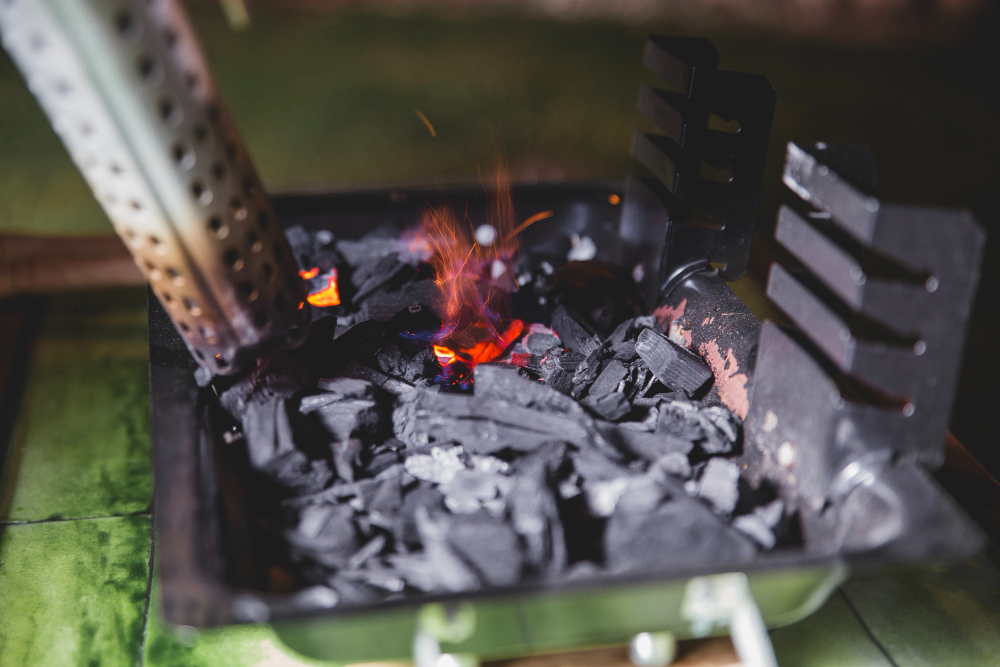
Choosing the right type of charcoal can directly impact cost efficiency, cooking performance, and customer satisfaction. Whether you run a restaurant, catering service, or supply industrial fuel, understanding the differences between sawdust briquettes and lump charcoal helps you make a smarter purchasing decision.
In Malaysia, businesses are increasingly comparing these two options to find the best balance between consistency, heat output, and sustainability.
What Is Sawdust Briquette Charcoal?
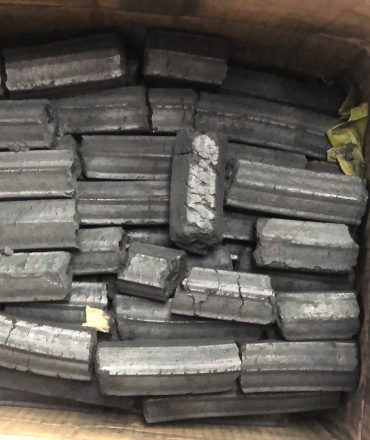
Sawdust briquette charcoal is produced by compressing recycled wood waste such as sawdust into uniform shapes, then carbonising it under controlled conditions. The result is a dense, consistent fuel source widely used in commercial settings.
Many businesses prefer sawdust briquette charcoal in Malaysia because briquettes offer predictable performance and are often more environmentally friendly.
Key characteristics:
- Uniform shape and size: Easier to handle and stack
- High density: Longer burn time compared to traditional charcoal
- Consistent heat output: Ideal for commercial cooking
- Low smoke production: Suitable for controlled environments
- Eco-friendly source: Made from recycled biomass materials
Learn More About At: The Benefits of Using Sawdust Briquette Charcoal in Malaysia
What Is Lump Charcoal?
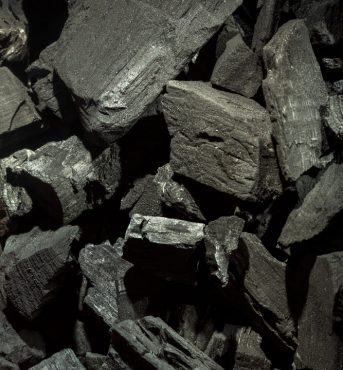
Lump charcoal is made by directly carbonising natural hardwood without reshaping it. Each piece varies in size and shape, depending on the original wood.
It is commonly used for traditional grilling due to its ability to produce high heat quickly, making it popular for BBQ applications.
Key characteristics:
- Natural hardwood origin: No compression or additives
- Irregular shapes: Varying sizes in each batch
- Quick ignition: Lights faster than briquettes
- High initial heat: Suitable for searing and grilling
- Natural flavor: Preferred for authentic BBQ taste
Key Differences Between Sawdust Briquette and Lump Charcoal
| Criteria | Sawdust Briquette Charcoal | Lump Charcoal |
|---|---|---|
| Shape & Size | Uniform and consistent | Irregular and varied |
| Burn Time | Longer and steady | Shorter, burns faster |
| Heat Output | Stable and controlled | High but less consistent |
| Smoke Level | Low smoke | Can produce more smoke |
| Ash Residue | Minimal | Moderate to high |
| Sustainability | Uses recycled biomass | Depends on wood sourcing |
Which Is Better for Your Business?
Choose Sawdust Briquette Charcoal If You Need:
- Consistent heat for long cooking sessions
- Lower smoke for indoor or controlled environments
- Predictable performance across batches
- A more sustainable fuel option
This makes it ideal for restaurants, central kitchens, and food production businesses that rely on efficiency and consistency.
Choose Lump Charcoal If You Need:
- Quick ignition and high initial heat
- Traditional grilling experience
- Flexibility for outdoor BBQ cooking
Lump charcoal is often preferred by BBQ operators and businesses focusing on flavour and visual grilling experience.
Cost vs Performance: What Should You Prioritise?
While lump charcoal may sometimes have a lower upfront cost, it tends to burn faster and less consistently. In contrast, briquettes provide longer burn time and stable heat, which can reduce overall fuel consumption.
For many businesses in Malaysia, switching to sawdust briquette charcoal in Malaysia results in better long-term cost efficiency and operational control.
Key takeaways:
- Lump charcoal: lower initial cost but faster burn rate
- Briquettes: longer burn time with stable heat
- Reduced refuelling during operations
- Better fuel efficiency over time
- More predictable cost control
Quick Comparison
| Factor | Lump Charcoal | Sawdust Briquette Charcoal |
|---|---|---|
| Upfront Cost | Lower | Slightly higher |
| Burn Duration | Shorter | Longer |
| Heat Consistency | Less consistent | Stable |
| Fuel Efficiency | Lower | Higher |
| Overall Value | Short-term savings | Better long-term value |
Sustainability Considerations
Sawdust briquettes are made from compressed wood waste, making them a more sustainable option compared to traditional hardwood charcoal.
They help reduce waste while supporting more efficient use of natural resources.
Key takeaways:
- Made from recycled sawdust
- Reduces reliance on raw hardwood
- Supports waste reduction
- More eco-friendly fuel option
Why Consistency Matters in Commercial Use
In commercial kitchens and industrial applications, inconsistent fuel leads to uneven cooking, wasted energy, and operational inefficiencies.
Briquettes offer uniform size and density, allowing businesses to standardize their processes and deliver consistent results to customers.
Key benefits:
- Consistent heat output for even cooking
- Improved efficiency in daily operations
- Standardised fuel performance across batches
- Reduced energy waste and fluctuations
- More reliable and repeatable results
Why Choose YT & T Resources
As a trusted YT & T Resources, the company supplies both sawdust briquette and lump charcoal tailored for commercial and industrial needs.
YT & T Resources supports businesses with:
- Consistent product quality: Reliable performance across every batch
- Wide product range: Suitable for BBQ, restaurant, and industrial use
- Sustainable solutions: Including biomass-based charcoal options
- Bulk supply capability: Supporting local and export requirements
- Responsive support: Helping businesses choose the right product
Find the Best Charcoal Solution for Your Needs
Choosing between briquettes and lump charcoal can impact your cost, efficiency, and results. Get the right recommendation based on your business requirements and usage.
Work with YT & T Resources to secure a consistent supply you can rely on.
Final Thoughts
Both sawdust briquette and lump charcoal have their advantages, but the right choice depends on your business needs. If consistency, efficiency, and sustainability are your priorities, briquettes are often the better option.
For businesses that value high heat and traditional grilling, lump charcoal remains a strong choice. By understanding these differences, you can select the right fuel to optimise performance and long-term costs.
Frequently Asked Questions (FAQs)
Which burns longer: sawdust briquette or lump charcoal?
Sawdust briquette charcoal typically burns longer due to its higher density and compressed form, making it more suitable for extended cooking or commercial use.
Which type of charcoal produces less smoke?
Sawdust briquettes generally produce less smoke because they are more uniform and contain fewer impurities, making them ideal for indoor or controlled cooking environments.
Is lump charcoal better for BBQ flavour?
Yes, lump charcoal is often preferred for traditional BBQ because it can produce a more natural smoky flavour, especially when using quality hardwood.
Which option is more cost-effective for businesses?
While lump charcoal may be cheaper upfront, sawdust briquettes often provide better long-term value due to longer burn time and more consistent performance.
Can I use sawdust briquette charcoal for grilling?
Yes, sawdust briquette charcoal is widely used for grilling, especially in commercial kitchens, as it provides steady heat and consistent cooking results.